

Visual Design + Fine Art
Welcome! I’m Scarlett (Amy) Davis. A visual problem solver and strategic thinker focusing on clean, thoughtful, grid-based design. I have a solid foundation in print and digital design, color theory, typography, and project management. Carrying a brand through multiple touchpoints is what I do best. A lifelong learner and world traveler — I spend my free time hiking about in Colorado and painting what I see in pastels.
As an art director and visual designer with 20+ years of experience, I focused mostly on public health and behavior change for the past 12 years. I was part of a creatively talented, research-based team that designed and developed print and digital campaigns for state government clients covering a wide range of topics including nutrition & physical activity, health & wellness, mental health, maternal child health, tobacco cessation & prevention, and opioid prescription misuse, abuse & addiction. My portfolio is the culmination of the public health education work where I served as both art director and designer and includes a variety of projects including branding, publication & infographic design, print collateral, social media, and website design and development.
Visual Design

Avoid Opioid
Website – Lead UI/UX Designer
Print – Design, Art Direction
The Avoid Opioid brand was developed in response to the ongoing national opioid crisis. The website — originally built as a micro-site — has grown exponentially. It has evolved from focusing on prescription misuse and abuse to addressing and reducing stigma, providing information for pharmacies and providers, featuring addiction counseling and social services (Care Coordination) for people and families affected by both prescription and illicit use, and providing a number of preventative services and actionable strategies, such as MAT (Medication-Assisted Treatment). The newest content was launched in December 2022 to further educate and address counterfeit pills, opioid misuse, and prevention.
Website • Brand Guide • Facebook
Avoid Opioid Brochure
Avoid Opioid Business Card
DEA National Take-Back Day Postcard
Care Coordination
Logo Design • Brochure • Business Card
MAT (Medication-Assisted Treatment)
Logo Design • Brochure

Good & Healthy South Dakota
Website – Lead UI/UX Designer
Print – Design, Art Direction
Public service work is not sexy — but it is important. Good & Healthy South Dakota serves as a middle layer connecting department staff, health care professionals, partners, and community advocates to programs, services, and resources under the South Dakota Department of Health umbrella. The site focuses on their key programs and events, current data, toolkits, and most-used resources. With a much needed content overhaul and redesign in 2021 which included more concise, updated content, and significantly better user experience, website visits nearly doubled within the first 4 months of going live.
Workplace Wellness Digital Toolkit
Better Choices, Better Health® SD Microsite
Healthy South Dakota
Website – Lead UI/UX Designer
Print – Design, Art Direction
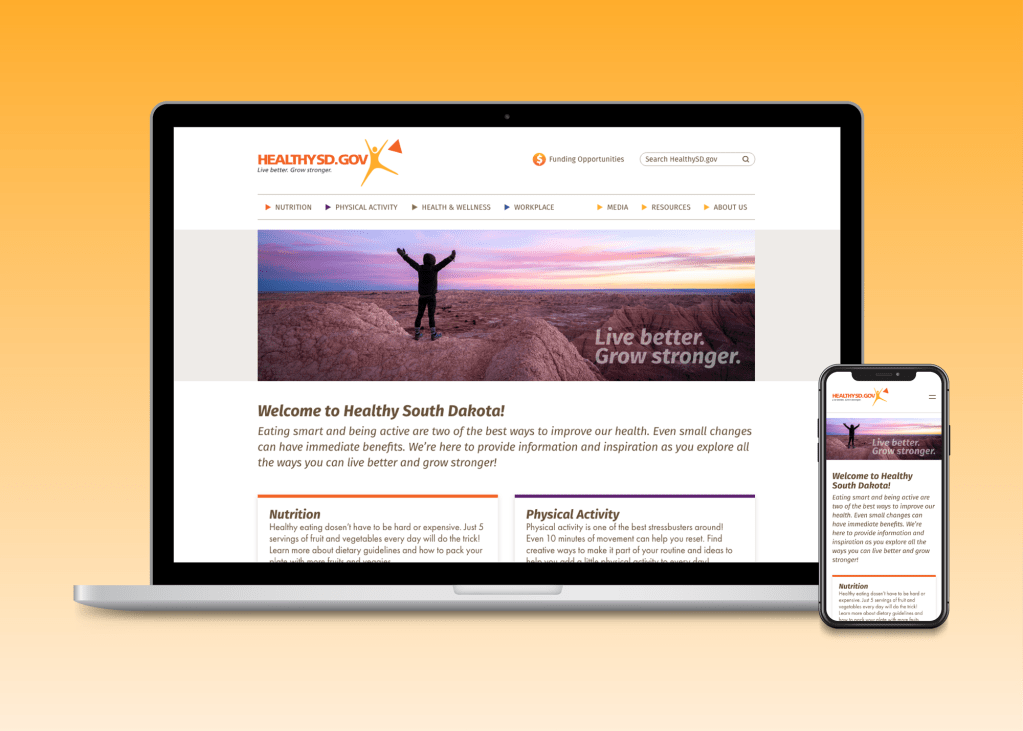
Our team initially gave the Healthy South Dakota brand a much needed facelift with a complete overhaul — new logo, brand style guide, print materials, and social media content. We are currently working on a website update including a content audit and design refresh. The budget did not allow for a complete redesign, so utilizing the existing site structure was a must. When the site update is complete, it will have significantly reduced and simplified content, better accessibility, and a clean, modern design.
Website • Web Style Guide
Brand Guide • Facebook
Breastfeeding Mom Kit
Best Feeding Brochure
Staff Training Brochure
Munch Code
Munch Code Vending & Snack Bar Toolkit
Munch Code Concessions Book
Munch Code Information Card

Find Your Power
Website – Lead UI/UX Designer
Print – Design, Art Direction
Tobacco and vape companies have taken advantage of vulnerable populations for decades. Cardiovascular and lung disease caused by commercial tobacco use are the leading causes of death among Native Americans. They use tobacco at more than 2x the rates of other populations in South Dakota and experience poverty and lower levels of education at much higher rates. The Find Your Power website was designed to help Native Americans learn more about the differences between commerical and traditional tobacco and to encourage them to connect and find their power in their culture. Following a complete content overhaul and redesign in early 2020, March traffic to the site increased by over 2,080%.
People. Traditions. Culture. Brochure
I find my power in my daughter. Poster
You Are the Power. Ad
Tribal Tobacco Advocacy Digital Toolkit
BCBH® SD Native Culture Workshop Webpage
South Dakota QuitLine
Website – UI/UX Designer
Print – Design, Art Direction
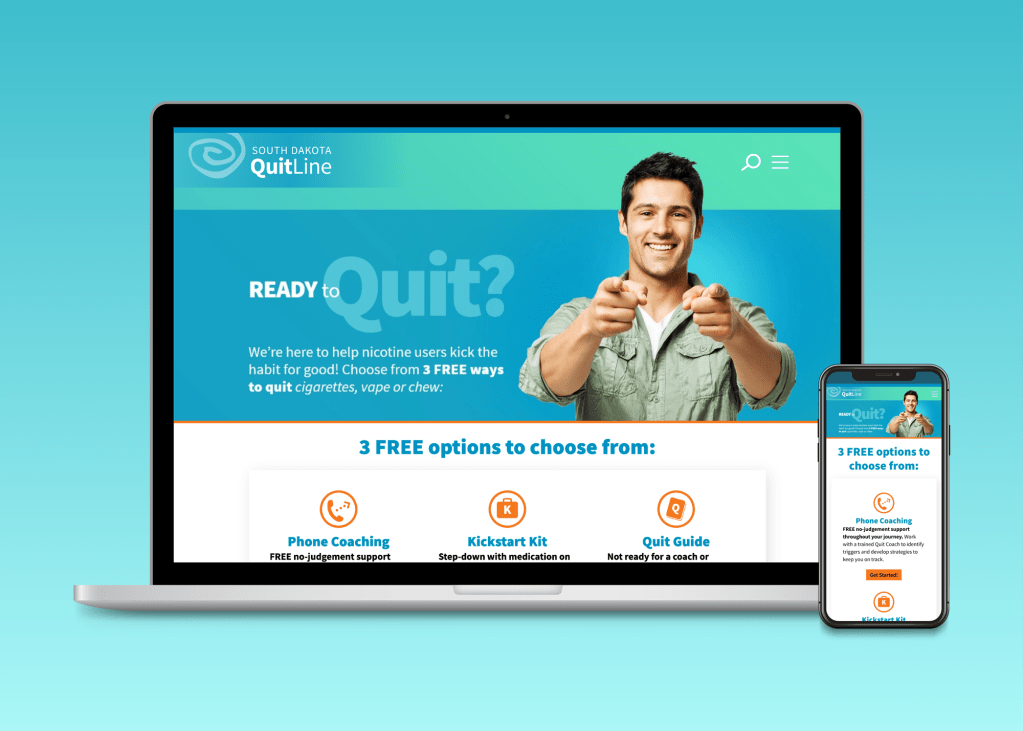
Behavior change is one of the most challenging marketing assignments, especially when bad habits and addiction are involved. Recently, we had to address some user confusion as new services became available to help young people quit smoking and vaping. The enrollment process was updated and our job was to develop a more obvious and streamlined page structure that made the options more clear. The objective is always to get users to sign up for the coaching service because people who use a coach are 2x more likely to quit, but also to let them know that other services — NRT therapy and DIY strategies — are available. To resolve the confusion, the 3 ways to get help quitting tobacco have been given the utmost priority and are prominently displayed on the home page.
Be Tobacco Free SD
Website – UI/UX Designer
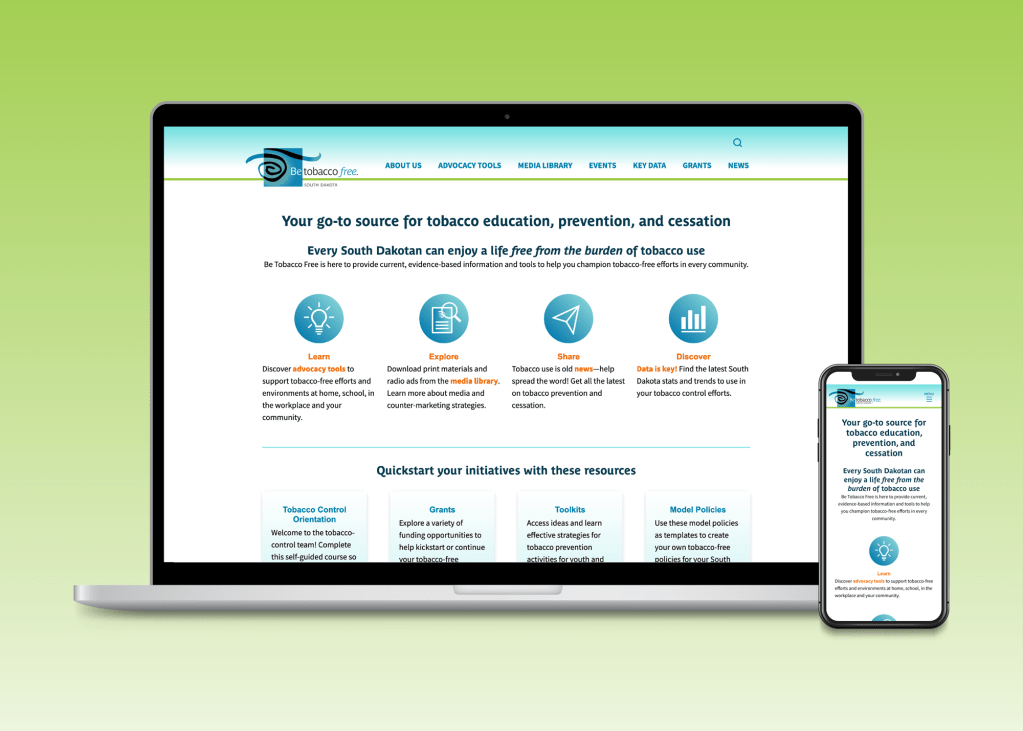
Even as new health hazards and epidemics continue to emerge, the fact of the matter is that smoking cigarettes is still the leading cause of preventable and premature death. Behavior change advocates have their work cut out for them. That’s where the all-new Be Tobacco Free SD website comes in. The website’s primary goal is to serve as a bridge between the Tobacco Control Department and community advocates, healthcare professionals, educators, and DOH staff, all of whom want to help prevent tobacco use and promote cessation. The updated site launched during the pandemic with new content and a fresh design. One year after launch, traffic to the site surpassed the previous website by average monthly visits and users were staying on the pages for minutes. The number of downloads began to increase and newsletter opt-ins were growing steadily. By all accounts, this site was proving to be a workhorse for tobacco prevention and cessation advocates.
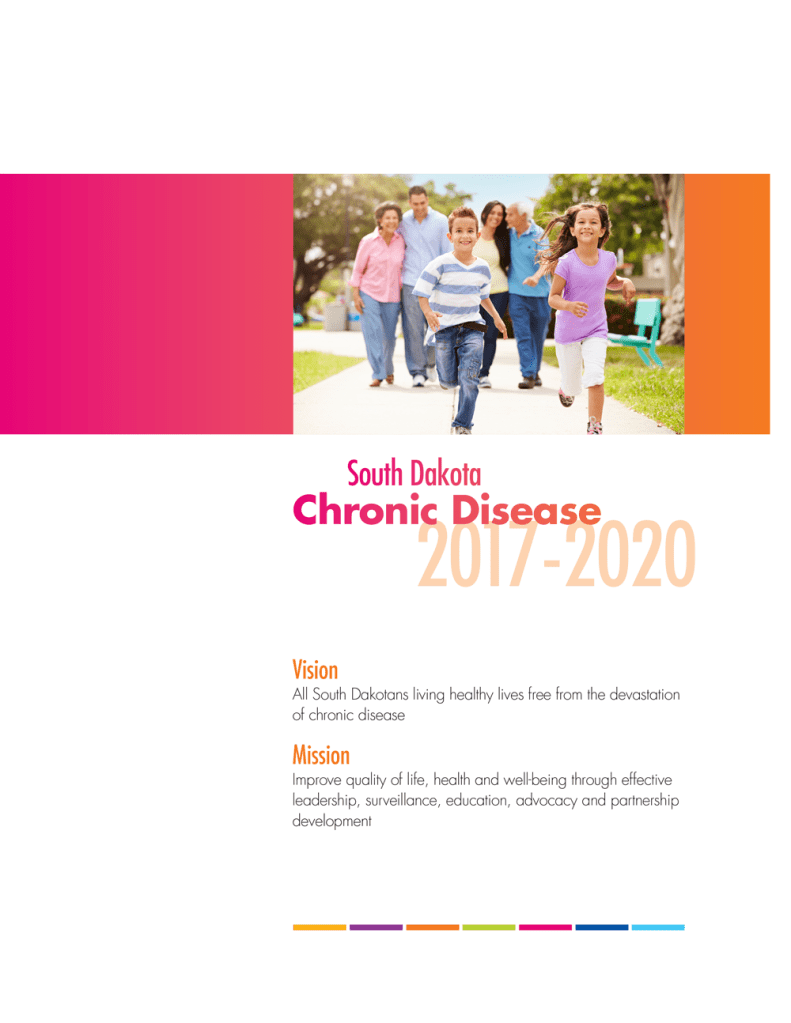
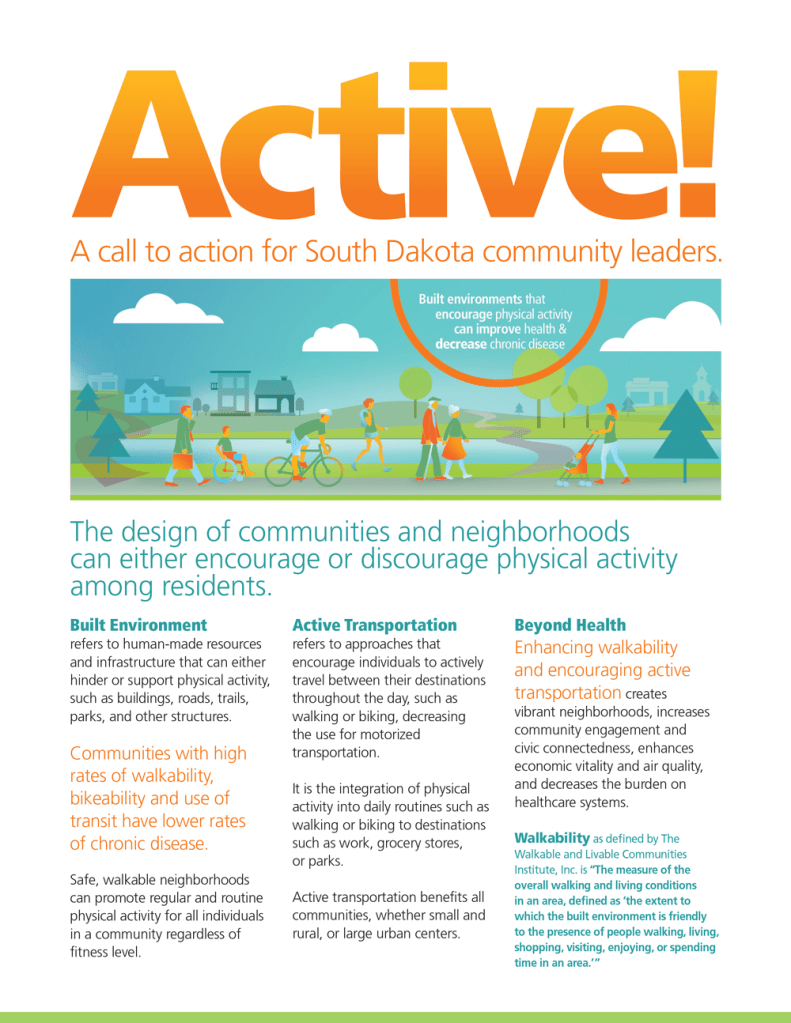
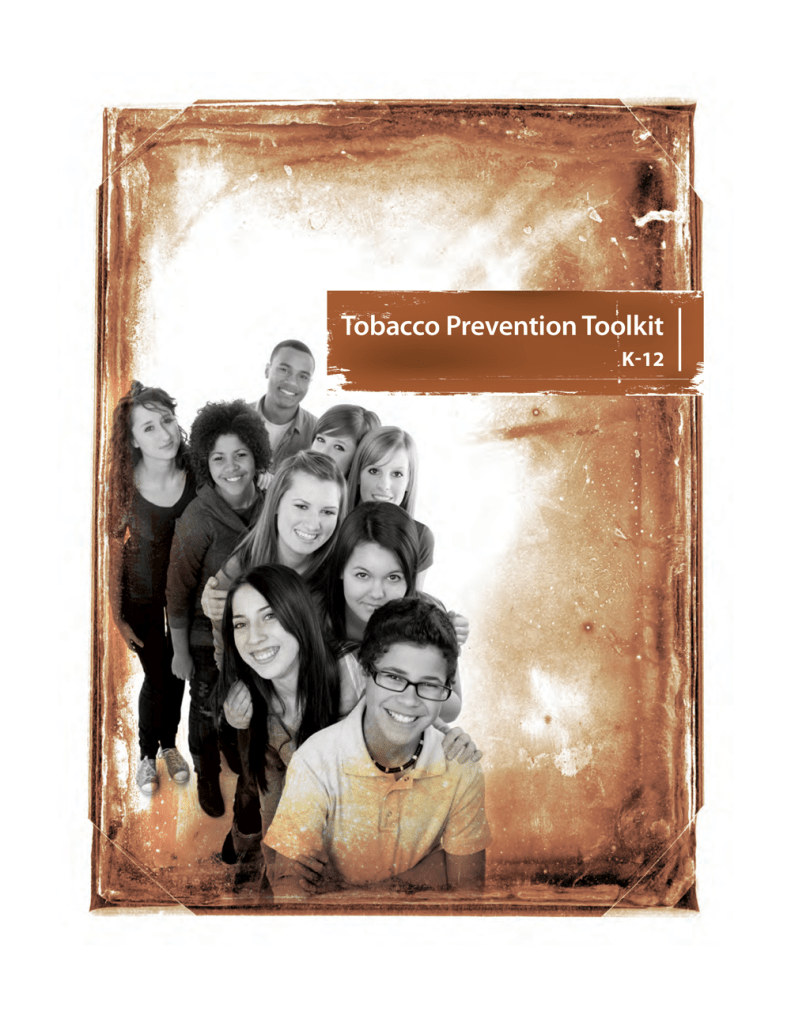
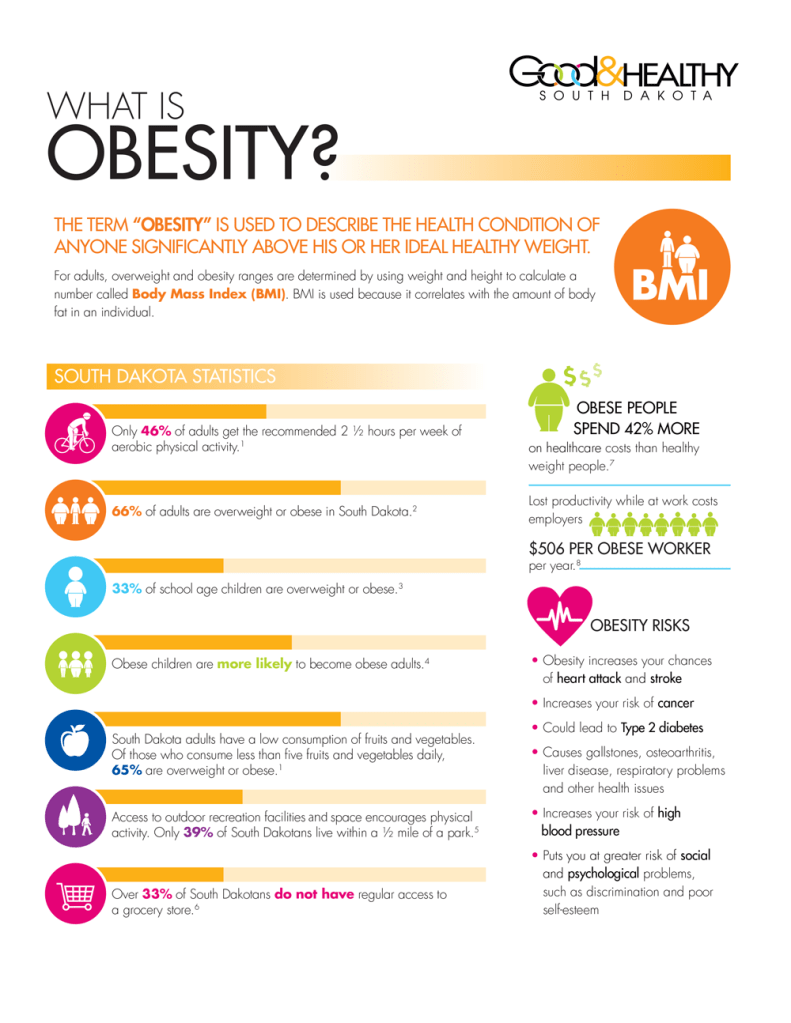
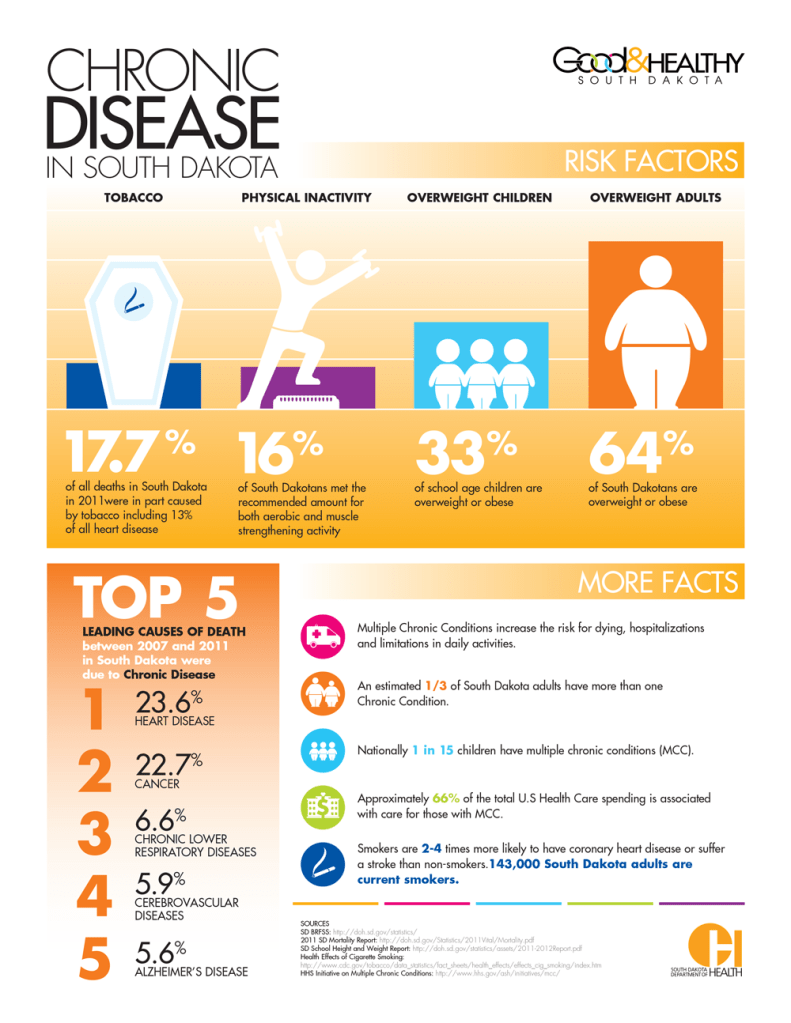
publication + Infographic design




 ScarlettDavis.com